


Understanding Glucose Monitoring Devices: Your Guide to Better Health
- Dr Mahesh Patil
- Dec 16, 2025
- 4 min read
Updated: Jan 5
What Are Glucose Monitoring Devices and Why Are They Important?
Glucose monitoring devices are tools that help you check your blood sugar levels. Whether you have diabetes or just want to keep an eye on your health, these devices provide valuable information. Traditionally, people used finger-prick tests to get a snapshot of their blood sugar at a single moment. While useful, this method only gives you a glimpse, not the full picture.
Modern glucose monitoring devices come in different forms, including meters and sensors. They help you understand how your blood sugar changes throughout the day. This is crucial because blood sugar levels can fluctuate due to meals, exercise, stress, and even sleep. Knowing these patterns helps you make better choices about food, activity, and medication.
Here are some common types of glucose monitoring devices:
Blood Glucose Meters: Portable devices that require a small blood sample from a finger prick.
Continuous Glucose Monitors (CGMs): Sensors worn on the body that track glucose levels throughout the day and night.
Flash Glucose Monitors: Similar to CGMs but require scanning the sensor to get readings.
Each device has its pros and cons, but the goal is the same: to empower you with real-time data for better health management.

Exploring Different Glucose Monitoring Devices: Which One Is Right for You?
Choosing the right glucose monitoring device depends on your lifestyle, health needs, and preferences. Let’s explore the options in more detail.
Blood Glucose Meters
These are the most common and affordable devices. You prick your finger, place a drop of blood on a test strip, and the meter shows your blood sugar level. They are simple and reliable but only provide a single reading at a time. If you want to track trends, you need to test multiple times a day.
Continuous Glucose Monitoring Devices
These devices are a game-changer! A small sensor is placed under your skin, usually on your arm or abdomen. It measures glucose levels in the fluid between your cells and sends data to a receiver or smartphone app. This means you get updates every few minutes without finger pricks.
The benefits are huge:
Real-time alerts if your blood sugar is too high or too low.
Better understanding of how food, exercise, and stress affect your levels.
Improved control and fewer surprises.
If you want to learn more about how continuous glucose monitoring works and its benefits, there are great resources available online.
Flash Glucose Monitoring
This is a middle ground between meters and CGMs. You wear a sensor and scan it with a reader or phone to get your current glucose level. It doesn’t provide continuous alerts but is less invasive than finger pricks.
What to Consider When Choosing
When choosing a glucose monitoring device, consider the following factors:
Cost and insurance coverage: Prices can vary widely, so check what your insurance covers.
Comfort and convenience: Some devices are more comfortable to wear than others.
Accuracy and reliability: Look for devices with good reviews and proven accuracy.
Data access and sharing options: Some devices allow you to share data with healthcare providers easily.
It’s always a good idea to talk to your healthcare provider about which device suits your needs best.
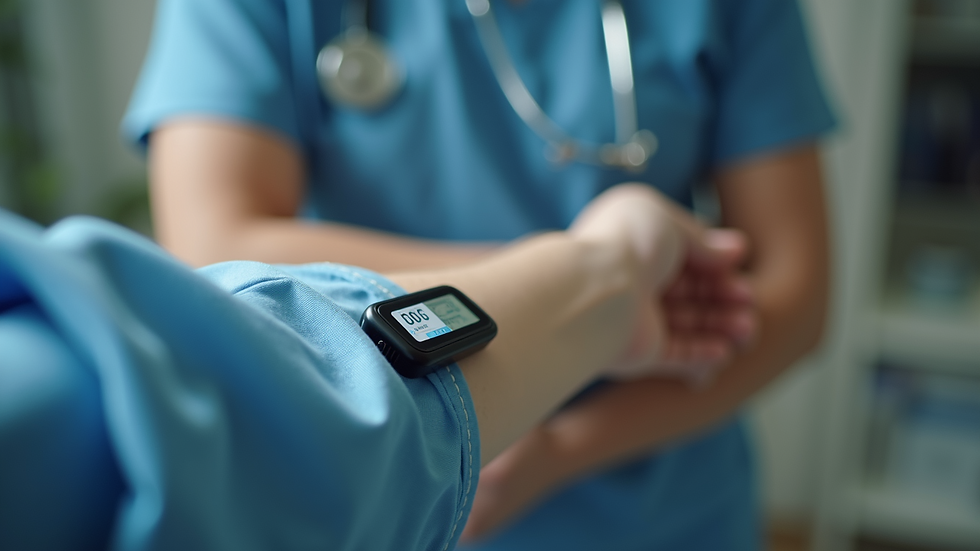
Do You Need a Prescription for a CGM?
This is a common question! In many places, you do need a prescription to get a continuous glucose monitoring device. This is because CGMs are medical devices that require proper guidance for use and interpretation of data.
Your doctor will assess your health condition and decide if a CGM is right for you. They can also help you understand how to use the device effectively and interpret the readings. Some insurance plans may cover the cost if you have a diagnosis like diabetes.
If you’re interested in a CGM, start by discussing it with your healthcare provider. They can guide you through the process and help you get the device that fits your lifestyle.
How to Make the Most of Your Glucose Monitoring Device
Owning a glucose monitoring device is just the first step. To truly benefit, you need to use it wisely. Here are some tips to get the most out of your device:
Follow the instructions carefully: Proper use ensures accurate readings.
Keep a log: Note your readings along with meals, exercise, and mood.
Look for patterns: Identify what causes spikes or drops in your blood sugar.
Set alerts: If your device allows, set alarms for high or low levels.
Share data with your healthcare team: This helps them tailor your treatment.
Stay consistent: Regular monitoring helps you stay in control.
Remember, these devices are tools to help you live better, not to cause worry. Celebrate the small wins and learn from the data!
Embracing Technology for a Healthier Tomorrow
Glucose monitoring devices have come a long way, and the future looks even brighter. With advances in technology, these devices are becoming more accurate, user-friendly, and integrated with smartphones and health apps.
Imagine a world where managing your blood sugar is seamless and stress-free. That’s the promise of continuous glucose monitoring and other innovations. They give you the power to take charge of your health with confidence.
If you’re curious to explore more about how these devices work and how they can fit into your life, don’t hesitate to reach out to healthcare professionals or trusted online resources.
Conclusion: Your Journey to Better Health
I hope this guide has helped you understand glucose monitoring devices better. Remember, managing your health is a journey, and every step counts. Stay curious, stay positive, and keep moving forward! With the right tools and knowledge, you can navigate your health journey with ease and confidence.


Comments